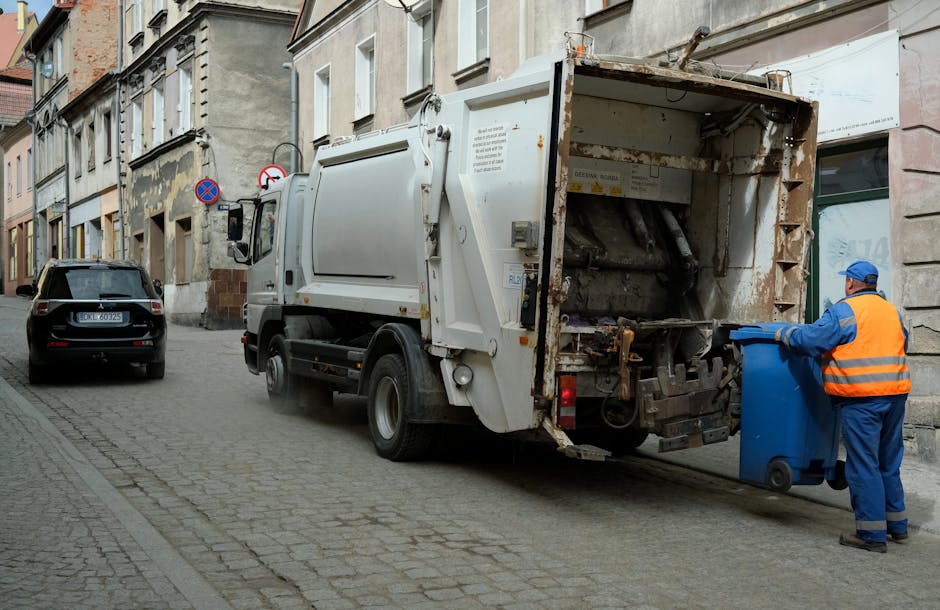
Frimley Park Hospital Medical Waste Rubbish Collection Guide
If you are trying to work out how Frimley Park Hospital medical waste rubbish collection should be handled, you are probably dealing with something that cannot be left to guesswork. Medical waste is different from ordinary rubbish. It can be infectious, sharp, confidential, messy, or all three at once. And when collection is involved near a busy hospital setting, the stakes feel even higher. This guide walks you through the practical side of disposal, collection planning, and the common-sense steps that keep staff, patients, and the public safer.
Whether you manage facilities, run a clinic, support a contractor, or simply need a clearer understanding of what happens to healthcare waste after it leaves a site, this article gives you a grounded, plain-English overview. You will find the essentials, the checks worth making, and the mistakes people often make when they are in a hurry. Truth be told, rushing this job is where problems start.
Table of Contents
- Why Frimley Park Hospital medical waste rubbish collection guide Matters
- How Frimley Park Hospital medical waste rubbish collection guide Works
- Key Benefits and Practical Advantages
- Who This Is For and When It Makes Sense
- Step-by-Step Guidance
- Expert Tips for Better Results
- Common Mistakes to Avoid
- Tools, Resources and Recommendations
- Law, Compliance, Standards, or Best Practice
- Options, Methods, or Comparison Table
- Case Study or Real-World Example
- Practical Checklist
- Conclusion
- Frequently Asked Questions
Why Frimley Park Hospital medical waste rubbish collection guide Matters
Medical waste is not just "rubbish with a label on it". It needs separating, containing, moving, and documenting in a way that reduces risk at every stage. At a hospital site such as Frimley Park, that matters because waste streams can change fast: one department produces mostly clinical consumables, another has sharps and dressings, and another may have confidential material or mixed non-clinical rubbish from day-to-day operations.
If waste is not managed properly, the consequences are rarely dramatic at first. More often, they show up as small but serious issues: contaminated bags, overfilled bins, unpleasant odours, missed collections, poor storage, or avoidable backtracking by staff. And once that pattern starts, it can get expensive, awkward, and frankly a bit chaotic.
This guide matters because it helps you avoid that messy middle ground where everyone assumes someone else has sorted it. It also helps you distinguish between clinical waste, hazardous waste, confidential waste, and general rubbish, which is one of the simplest ways to keep collections safe and efficient.
Expert summary: The best medical waste collection process is the one that is clear before collection day, not the one improvised at the kerbside with gloves on and a van waiting.
How Frimley Park Hospital medical waste rubbish collection guide Works
In practice, a medical waste collection process usually starts long before the vehicle arrives. Waste must be identified at source, segregated into the correct containers, temporarily stored safely, and handed over to a suitable collector. That sounds simple enough, but the details matter.
For hospital environments, the collection workflow usually follows a predictable sequence:
- Waste is separated at source. Clinical items stay away from general waste, and sharps are placed into approved sharps containers.
- Containers are sealed and labelled. This helps prevent spills, confusion, and cross-contamination.
- Temporary storage is managed properly. Storage areas should be secure, tidy, and easy to inspect.
- A collection is arranged. Timing matters, especially where footfall is high or waste builds up quickly.
- Waste is removed by the right carrier. The collector should handle the waste type being presented, not just any old waste load.
- Transfer records are kept. Good paperwork protects the organisation and proves the waste was handed over appropriately.
A useful way to think about it is this: the collection vehicle is the final step, not the whole system. If the bin room smells off by 8 a.m. or someone finds the wrong waste in the wrong bag, the issue started earlier. Much earlier.
At hospital sites, there is also a practical need to coordinate around shifts, deliveries, patient movement, and cleaning schedules. Nobody wants a collection to block access during a busy morning round. So, timing and communication are part of the process, not an afterthought.
Key Benefits and Practical Advantages
When a medical waste rubbish collection guide is followed properly, the benefits are immediate and very real. Yes, compliance matters, but the day-to-day gains are often what people notice first.
- Safer working conditions: staff are less exposed to needles, contaminated dressings, and spill risks.
- Cleaner storage areas: waste rooms stay more manageable and less likely to attract pests or unpleasant smells.
- Smoother operations: collections run faster when waste is sorted before pickup.
- Better cost control: mixed or contaminated waste can drive up handling complexity and waste time.
- Lower reputational risk: hospitals and healthcare settings are judged heavily on cleanliness and professionalism.
- Less staff frustration: no one enjoys re-bagging waste because labels or segregation were missed first time around.
One practical advantage that gets overlooked is predictability. If your team knows what goes where and when collections happen, there is less last-minute scrabbling. You will notice this most on busy days, when a few simple routines save a lot of noise.
For mixed-site organisations or contractors supporting healthcare premises, pairing this process with broader business waste removal planning can also help keep non-clinical rubbish separate from specialist streams. That separation is often where the real efficiency comes from.
Who This Is For and When It Makes Sense
This guide is useful for more than just hospital management. It is relevant to anyone who touches the waste process around healthcare or healthcare-adjacent operations.
- Facilities and estates teams who coordinate internal storage and outgoing collections.
- Ward managers and department leads who need to understand what their teams can and cannot place in certain bins.
- Cleaning contractors who are often the first to notice waste build-up or container errors.
- Healthcare support services dealing with waste from offices, staff areas, or ancillary rooms.
- Independent clinics and outpatient services that follow hospital-style waste handling standards.
- Waste contractors and coordinators who need a practical overview before planning collections.
It also makes sense if you are dealing with temporary pressure: refurbishment works, infection-control cleanouts, equipment replacement, or a period of high patient throughput. Those moments can produce a surprising amount of mixed rubbish, and not all of it belongs in the same stream.
For example, if a department is being cleared before works begin, some items may be classed as general bulky waste, while others may need specialist handling. In those cases, services like office clearance or builders waste clearance may help with the non-clinical parts of the job, while the medical waste itself is managed separately. That kind of split is often the cleanest approach.
Step-by-Step Guidance
If you need a practical route through the process, start here. No drama, no jargon overload.
- Identify the waste stream. Ask: is this clinical, infectious, sharp, confidential, hazardous, or general non-clinical waste?
- Use the right container. Sharps go into sharps bins. Clinical waste goes into the correct approved sacks or containers. Loose waste is asking for trouble.
- Keep items separate. Do not mix general rubbish with clinical waste if it can be avoided. Mixed loads are harder to manage and can cause issues later.
- Store waste in a secure place. The storage point should be accessible to authorised staff only and easy to clean.
- Check collection timing. Build the schedule around actual site activity, not just the easiest van slot.
- Prepare paperwork. Keep transfer notes or equivalent records ready, along with any site-specific instructions.
- Inspect before handover. A quick check for leaks, overfilled bags, or broken containers can save a lot of bother.
- Confirm the post-collection position. Make sure the area is left tidy and the team knows what has gone and what remains.
A small but useful habit is to assign one person to do the final walk-through. It does not need to be a big formal role. Just someone who knows the site and can spot a bag that looks wrong at a glance. That one step can stop a bad collection from becoming a bad day.
If you are also dealing with confidential paperwork from wards, admin areas, or temporary offices, pairing the process with confidential shredding can help keep records and paper waste under control. Not all waste is clinical, but it still needs a proper route out.
Expert Tips for Better Results
After you have done this a few times, the same pattern appears: the sites that run smoothly are not the ones with the fanciest system. They are the ones with the clearest habits.
- Label everything early. Waiting until bags are piled up is a recipe for confusion.
- Keep storage dry and visible. Damp corners and poor lighting are where problems hide.
- Train for the real day, not the perfect day. People need to know what to do when the room is busy and the bin is full.
- Review collection frequency regularly. A monthly schedule might work in one unit and fail badly in another.
- Separate bulky non-clinical items out early. Chairs, small fixtures, and old furniture should not sit beside waste that needs specialist treatment.
Here is a simple truth: the fewer decisions people have to make during disposal, the better the result. That sounds almost too obvious, but it works. Good waste systems feel a bit boring, which is exactly what you want.
If a hospital area is undergoing a tidy-up or replacement of old fixtures, you may also want to consider support for items like seating or mattresses via mattress and sofa disposal or furniture disposal. Again, only for the non-clinical items. Keep the streams separate and life gets simpler.
Common Mistakes to Avoid
Most waste problems do not come from one huge failure. They come from a handful of repeat mistakes that slowly build into a bigger issue.
- Mixing waste types: one wrong bag can contaminate a whole load.
- Overfilling containers: it makes closure difficult and increases spill risk.
- Poor storage discipline: waste left in walkways or unsecured rooms becomes a hazard fast.
- Missing labels: if staff cannot identify a waste stream quickly, errors follow.
- Leaving collections too late: waiting until the room is overflowing is avoidable, and stressful.
- Assuming all rubbish is the same: it really is not, and hospitals know this better than most places.
One awkward but common mistake is trying to "just get it out" by placing questionable items in general waste. That might feel efficient in the moment. It is not. It usually creates more work later, especially if the load needs sorting or if the paperwork no longer matches the waste presented.
And yes, somebody always says, "It'll be fine." Usually right before it is not fine.
Tools, Resources and Recommendations
You do not need a complicated toolbox to manage medical waste well, but you do need the right basics.
- Appropriate bins and sacks: colour-coded or clearly designated containers reduce guesswork.
- Sharps containers: essential where needles, blades, or similar items are produced.
- Site signage: simple signs in storage areas help new staff and temporary workers.
- Checklists: useful for handover days and for end-of-shift inspections.
- Collection calendars: visible schedules prevent missed pickups and unnecessary build-up.
- Training notes: short, plain-English reminders beat long policy documents nobody reads under pressure.
For broader waste planning, it can help to review your general disposal arrangements too. Pages like waste removal and recycling and sustainability are useful if your site also produces recyclable or non-clinical waste that needs its own route. Good systems are usually joined-up, not siloed.
If you are comparing costs or trying to budget for multiple waste streams, a page such as pricing and quotes can help you think through the commercial side without committing too early. And if you are ready to move forward, book online is there for straightforward scheduling.
Law, Compliance, Standards, or Best Practice
Because this topic touches healthcare and potentially hazardous materials, it should always be handled with care and in line with applicable UK best practice. Exact responsibilities can vary depending on the waste type, site setup, and who owns the waste at each stage, so it is wise to keep procedures specific rather than vague.
As a rule of thumb, good practice usually includes:
- clear segregation at source;
- secure storage before collection;
- properly trained staff;
- appropriate containers for different waste streams;
- traceable handover records;
- careful use of contractors who understand the waste type involved.
Hospital environments also tend to have internal policies that are stricter than general commercial premises. That is sensible. A clipboard in a back room might seem boring, but when something goes missing or a bag is mislabelled, those records are what help rebuild the story.
It is also worth noting that hazardous items should not be treated casually. If a stream is potentially dangerous, it should be assessed and handled accordingly, not guessed at. For that reason, a dedicated service such as hazardous waste disposal may be relevant when non-routine items are involved.
Finally, if your organisation values contractor transparency, insurance cover, and clear working methods, it is sensible to review operational pages like health and safety policy and insurance and safety. Those pages help build confidence before work begins. Not glamorous, but useful.
Options, Methods, or Comparison Table
Different waste scenarios call for different collection approaches. The right one depends on what you are moving, how much of it there is, and how sensitive the material is.
| Method | Best for | Strengths | Watch-outs |
|---|---|---|---|
| Scheduled routine collection | Regular clinical waste output | Predictable, easy to plan, less storage pressure | Needs consistent discipline and accurate volumes |
| Ad hoc collection | Short-term surges or cleanouts | Flexible, useful for one-off needs | Can be less efficient if organised too late |
| Mixed waste project support | Refits, moves, department clearances | Handles several non-clinical streams together | Clinical waste must still be separated properly |
| Specialist hazardous handling | Potentially dangerous or unusual waste | Reduced risk and better control | Requires careful classification before collection |
If your site has bulky items alongside routine waste, it is often better to split the job into parts. For instance, old office furniture, broken storage units, or surplus non-clinical items may be handled through an office clearance style approach, while the medical stream continues separately. It is a bit less convenient at first, but much cleaner in the long run.
Case Study or Real-World Example
Imagine a small outpatient area near a hospital site that has been running at full pace for several weeks. The team starts noticing a familiar set of problems: bins are filling faster than expected, a storage cupboard is getting tight, and the cleaner has flagged a bag that looked wrong because it had mixed items inside. Nothing dramatic. Just enough to slow people down.
Rather than wait until the room became unmanageable, the team paused and broke the issue into three parts. Clinical waste was separated more carefully at source, the collection schedule was adjusted to better fit the actual volume, and non-clinical rubbish from the staff office was handled separately. A few old chairs and a broken cabinet were cleared through the relevant non-clinical route. The result was not magic, just calmer day-to-day working.
That kind of example comes up a lot. The biggest win is usually not saving minutes on the collection itself. It is removing the friction before the collection even arrives. Once that happens, the whole area feels lighter. You can almost hear it, oddly enough - less clatter, less rushing, fewer people asking where the bin bags went.
Practical Checklist
Use this before your next collection or handover.
- Waste streams have been separated correctly.
- Sharps are in approved containers and not overfilled.
- Bags or bins are sealed properly.
- Labels are visible and legible.
- Storage area is secure, dry, and tidy.
- Collection timing has been confirmed with site activity in mind.
- Transfer notes or records are ready.
- Non-clinical bulky items have been identified separately.
- Staff know who to contact if a bag looks wrong.
- The collection point can be accessed safely by the crew.
If you want an extra sanity check, ask yourself one simple question: would a new member of staff be able to understand this process in two minutes? If the answer is no, the system probably needs simplifying.
Get a free quote today and see how much you can save.
Conclusion
A good Frimley Park Hospital medical waste rubbish collection guide is really about control, clarity, and a calm process under pressure. When waste is sorted properly, stored securely, and collected on schedule, everything around it gets easier. Staff spend less time worrying about what goes where, storage rooms stay manageable, and the site looks more professional. That sounds modest, but in a busy healthcare setting, modest things matter.
If there is one takeaway, it is this: do the simple things early and do them consistently. The rest becomes much less stressful. And honestly, that is what most teams want - not perfection, just a system that behaves on a Tuesday morning when everyone is busy.
For a cleaner, safer, and more organised waste process, the next step is usually straightforward: review what you are producing, separate the streams, and arrange the right collection path before the pressure builds.
Frequently Asked Questions
What does a Frimley Park Hospital medical waste rubbish collection guide cover?
It covers how medical and related waste should be separated, stored, collected, and documented so the process stays safe, efficient, and compliant with hospital expectations.
Is medical waste the same as normal rubbish?
No. Medical waste may be clinical, infectious, sharp, hazardous, or confidential. Ordinary rubbish should be kept separate so it does not become contaminated.
Who is responsible for sorting medical waste before collection?
Usually the people generating the waste at source, supported by facilities, cleaning, and management teams. Clear internal procedures help avoid confusion.
Can general waste and clinical waste go in the same bag?
They should not be mixed unless a specific local procedure says otherwise. Mixed waste is harder to handle and can create safety and compliance issues.
How often should medical waste be collected?
That depends on the amount produced, the waste type, and site operations. High-output areas often need more frequent collections than quieter departments.
What should I do if a waste bag is damaged or leaking?
Isolate it safely, avoid unnecessary handling, and follow the site's incident or containment procedure. If there is any risk of contamination, treat it seriously.
Do hospitals need special containers for sharps?
Yes, sharps should go into suitable approved containers. That helps reduce the risk of needlestick injuries and accidental exposure.
Can confidential paperwork be handled alongside medical waste?
Not as a mixed waste stream. Confidential documents should be kept separate and sent for appropriate destruction, such as through confidential shredding.
What if the site also has furniture, appliances, or office waste?
Those items should usually be handled through separate non-clinical routes. Services like furniture disposal or fridge and appliance removal may be relevant depending on what needs clearing.
How can we keep waste storage areas safer?
Keep them dry, tidy, locked or controlled, clearly labelled, and checked regularly. Small improvements here make a big difference in day-to-day safety.
How do I know if I need a hazardous waste disposal service?
If the waste may be dangerous, unusual, or difficult to classify, it is worth treating it cautiously and using a specialist route such as hazardous waste disposal where appropriate.
Is it worth reviewing pricing before booking a collection?
Yes, especially if you manage several waste streams or need recurring support. Reviewing pricing and quotes helps you plan properly and avoid surprises.
What is the simplest way to get started?
Start by identifying the waste types on site, separating them correctly, and checking what needs routine collection versus one-off removal. Then arrange the appropriate service and keep the process consistent.